

Baikal Seals
BAIKAL SEALS
The Baikal seal Pusa sibirica is the only mammal living in Lake Baikal. It is endemic to the lake and one of the three freshwater seal species (though some experts think that the Saimaa seal and the Ladoga seal are not valid species, but the subspecies of the ringed seal Pusa hispida, which is a marine seal). Most biologists tend to believe that Baikal seals came to the lake from the Arctic Ocean during the Last Interglacial through the Yenisei—Angara river system. This seal has been isolated from the other seal species for at least 20,000 years.
Adult Baikal seals are up to 165–170 cm in length and weigh up to 130–150 kg. They live for about 55 years, and females can reproduce until 45 years of age.
Baikal seals are very cautious, yet intelligent and inquisitive animals. For instance, if the rookery is too crowded, the seal that wants to find some free space may rhythmically slap its flippers on the water to mime the sound of oars, to startle its fellow seals and secure the vacated spot for itself.
ALF, BUSINKA, AND TUCHKA
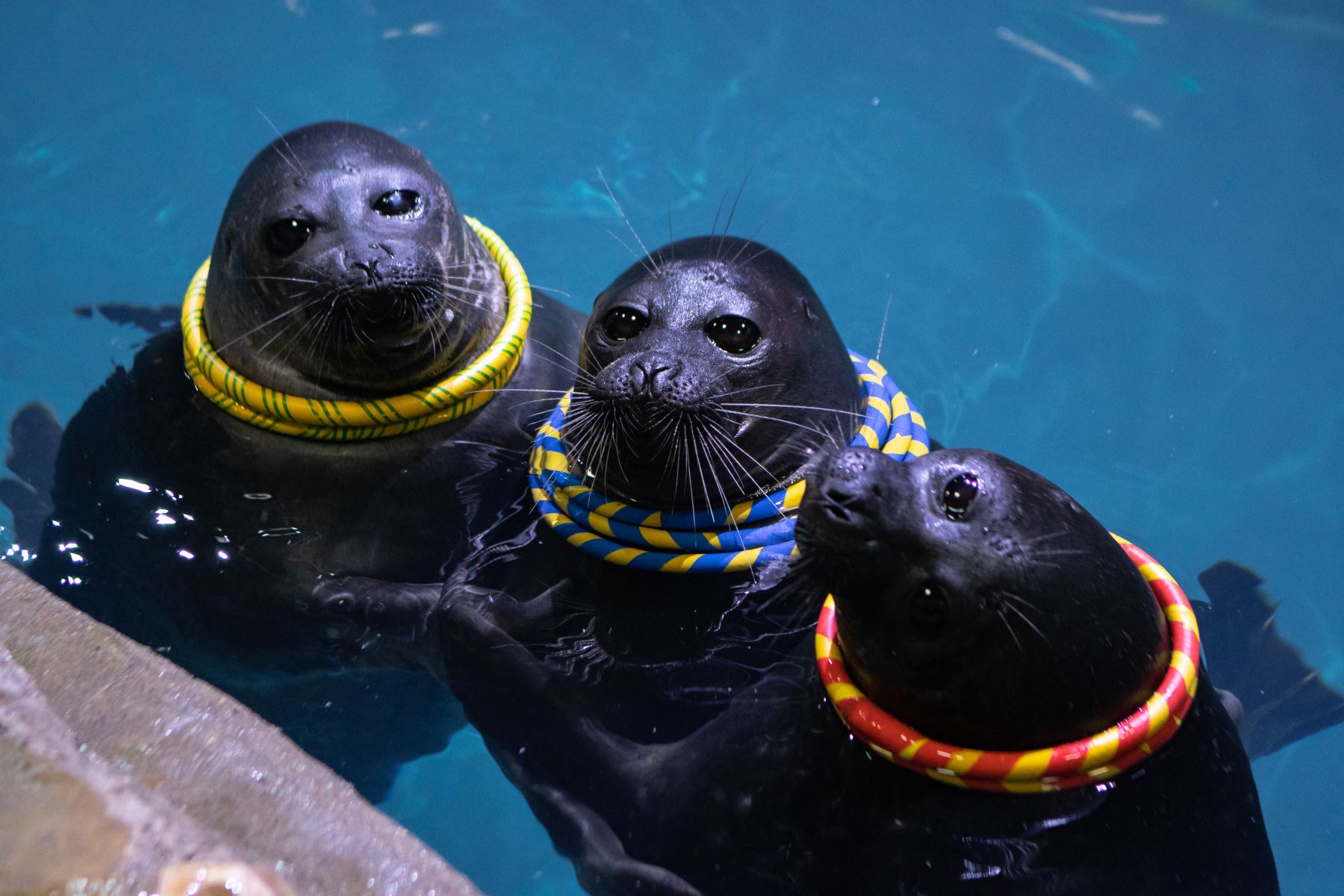
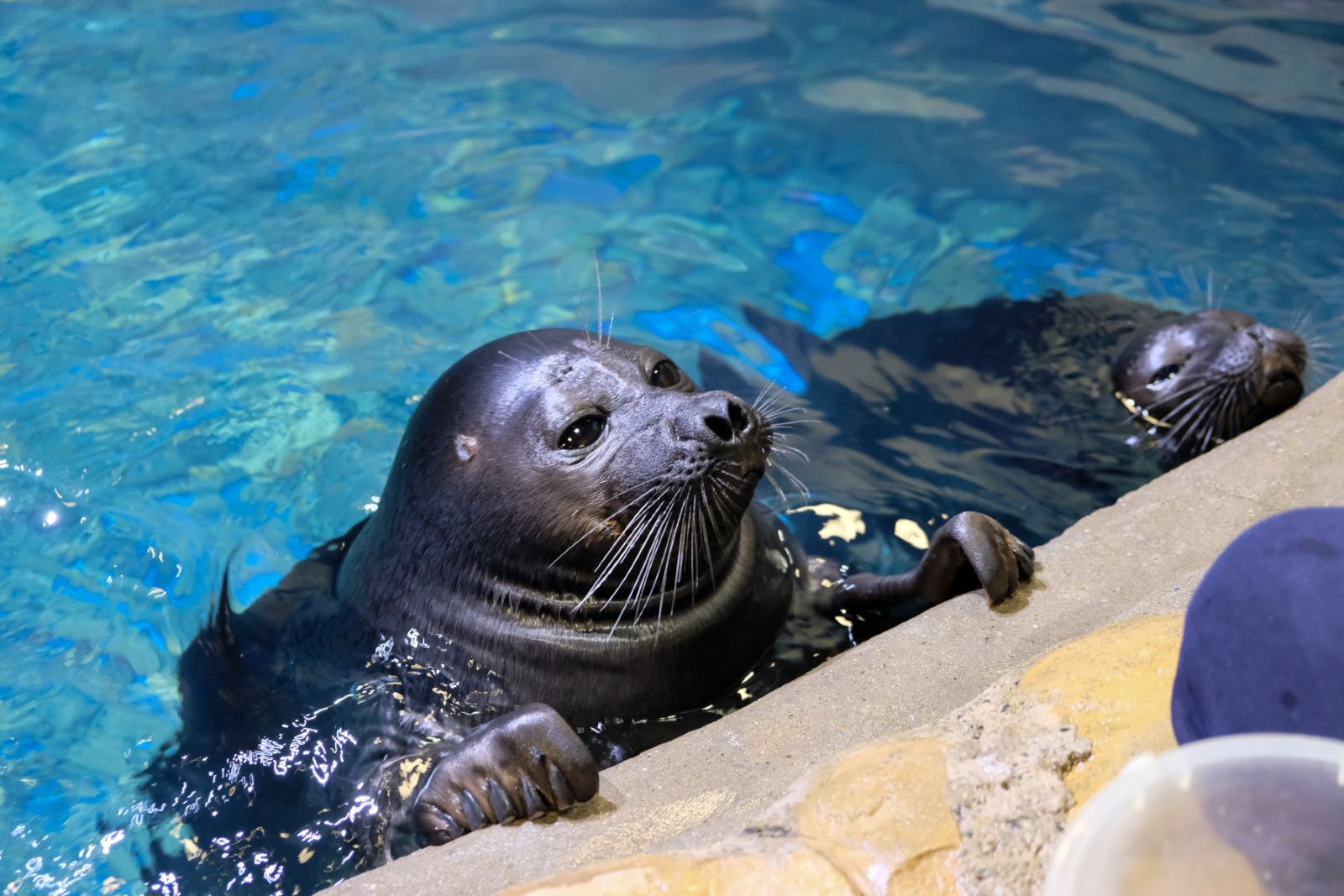
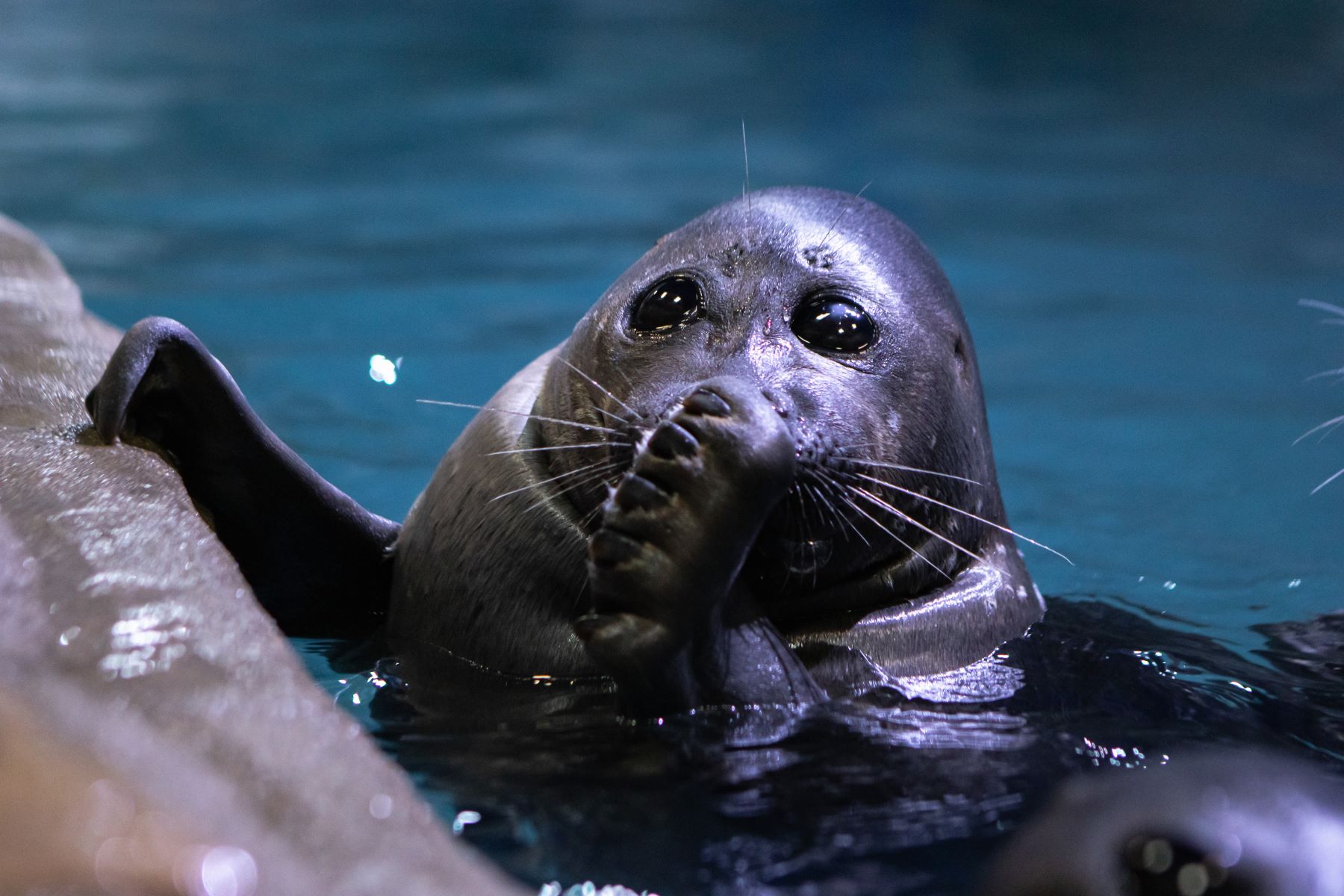
There is always a crowd of visitors by the Baikal seal pool at the Rivers and Lakes exhibit, admiring these charming creatures that have such big captivating eyes.
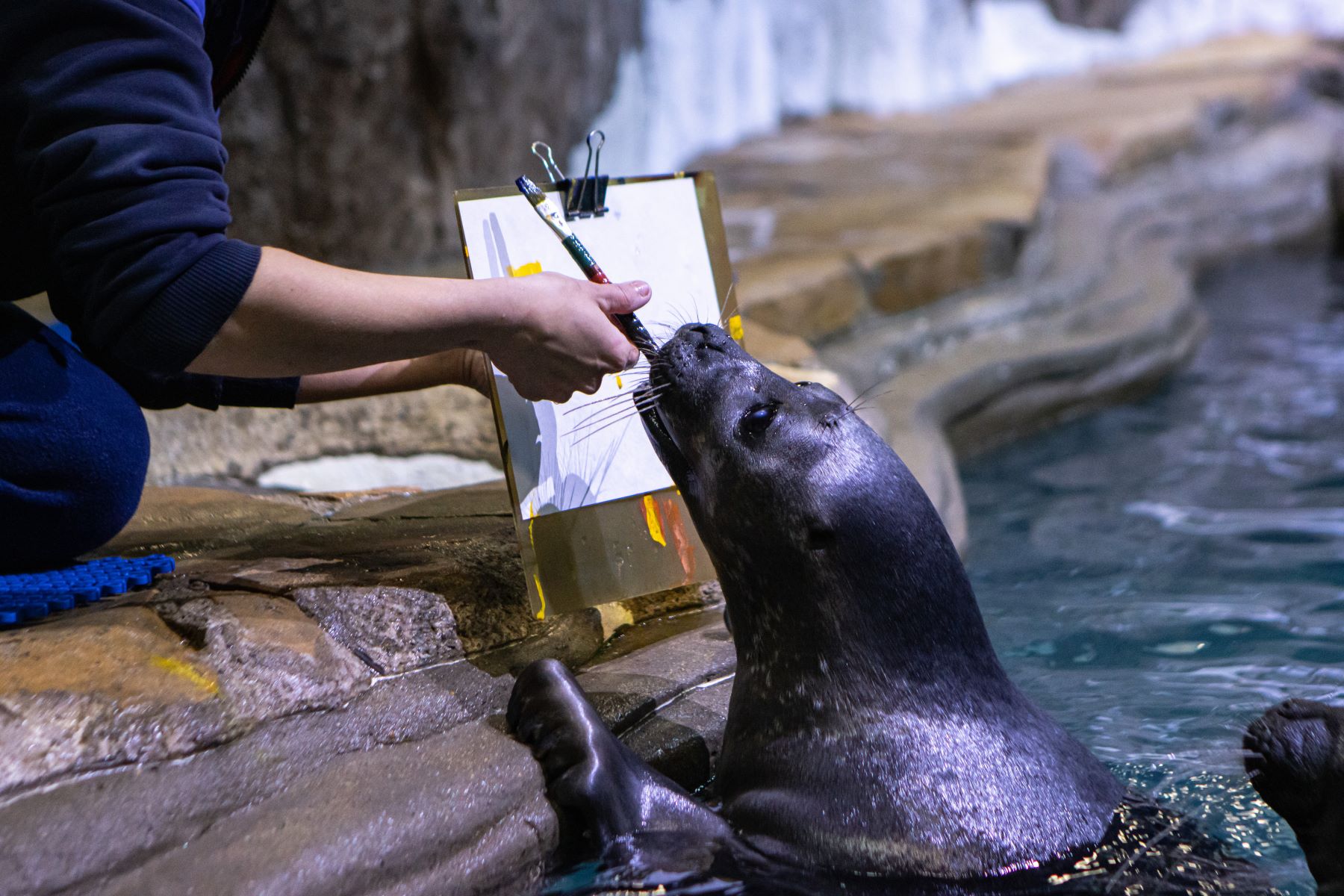
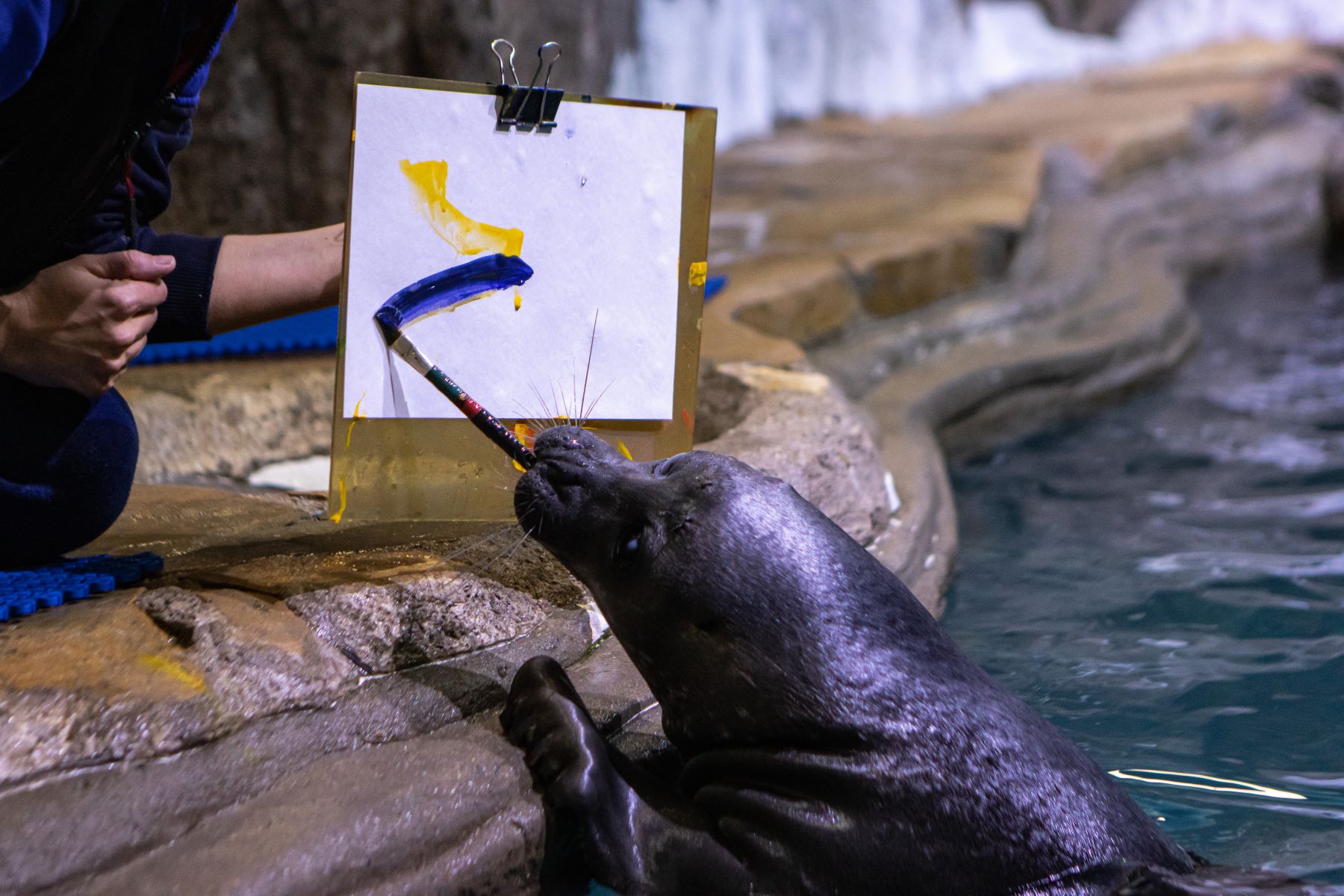
Alf is 13 years old and very sociable, which has made him a public favorite. He acts like the king of his enclosure. He sometimes enjoys painting, and his artwork become gifts to some of the Aquarium's younger guests.
Businka is a 9-year-old “lady with character”, as her trainers say. Her behavior depends directly on her mood. If Businka is cheerful, she performs everything flawlessly: show her a trick twice, and she will do it herself on the third try. But if she's not in the mood, she won't lift a flipper.
Tuchka is also 9. She loves to eat and play. She learns various tricks with ease, and some even come to her more naturally than to her peers. Tuchka is a very diligent student.
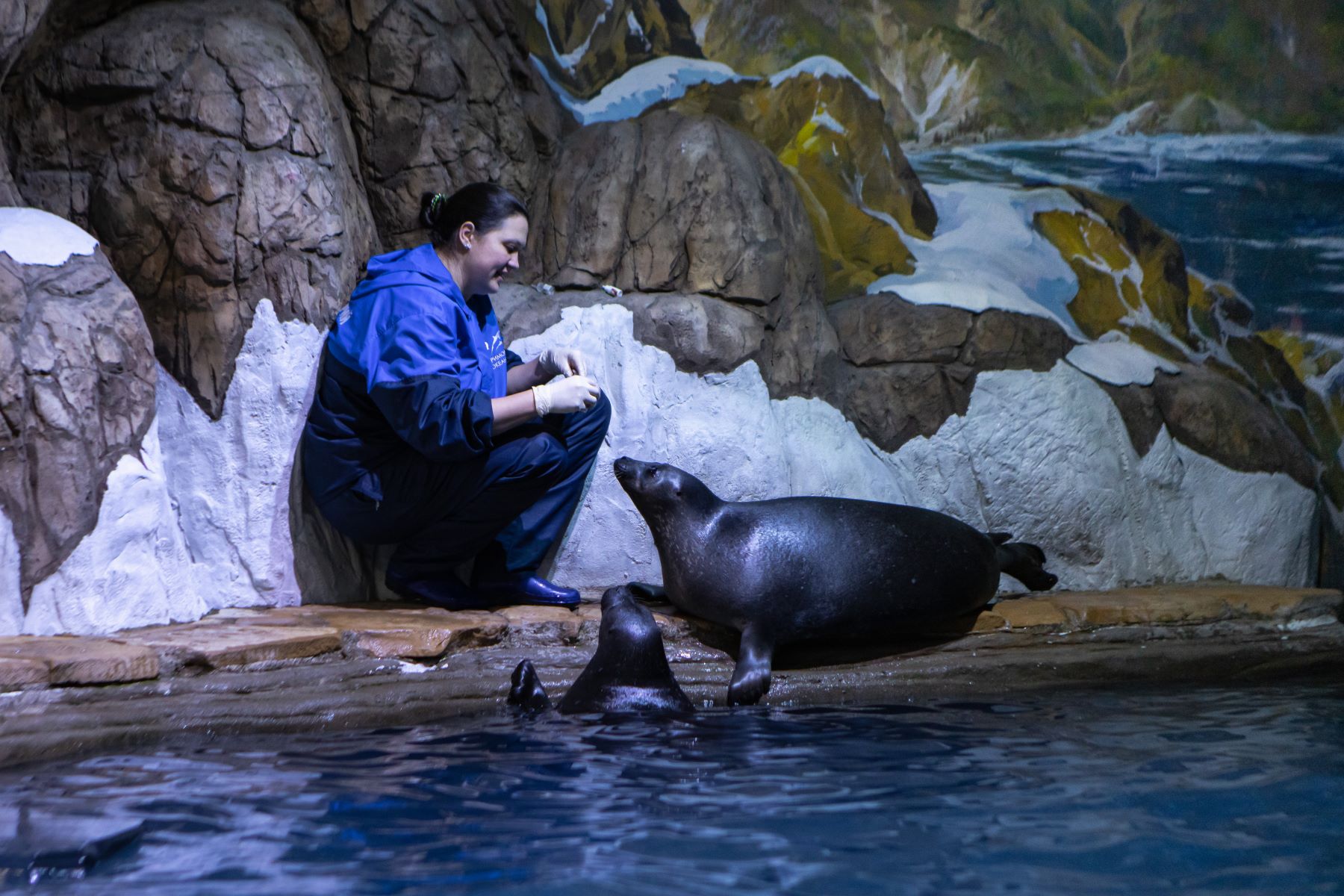
The seals at the Primorsky Aquarium have been rather quick at mastering painting. Alf took longer to learn, but now has excellent technique. The trainers give their charges complete creative freedom, only setting up the easel and changing the paints. Each time a seal paints differently; even works created on the same day may vary—it all depends on their mood.
Feedings and training sessions for the Baikal seals are held three times a day at the Lake Baikal part of the Rivers and Lakes exhibit.
Training sessions schedule: Tuesday, Wednesday, Thursday, Friday, and Saturday at 10:00, 13:00, and 16:00.
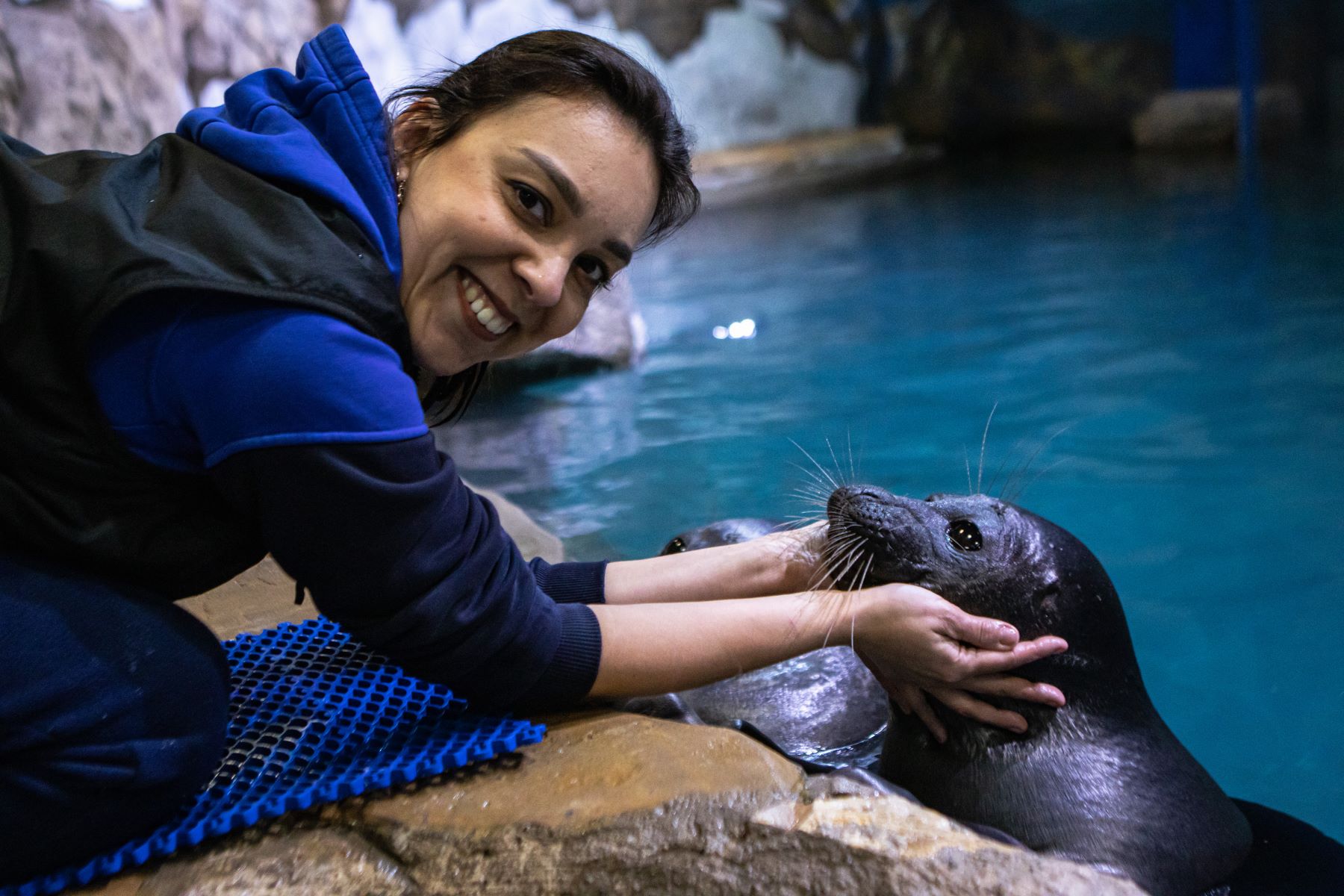
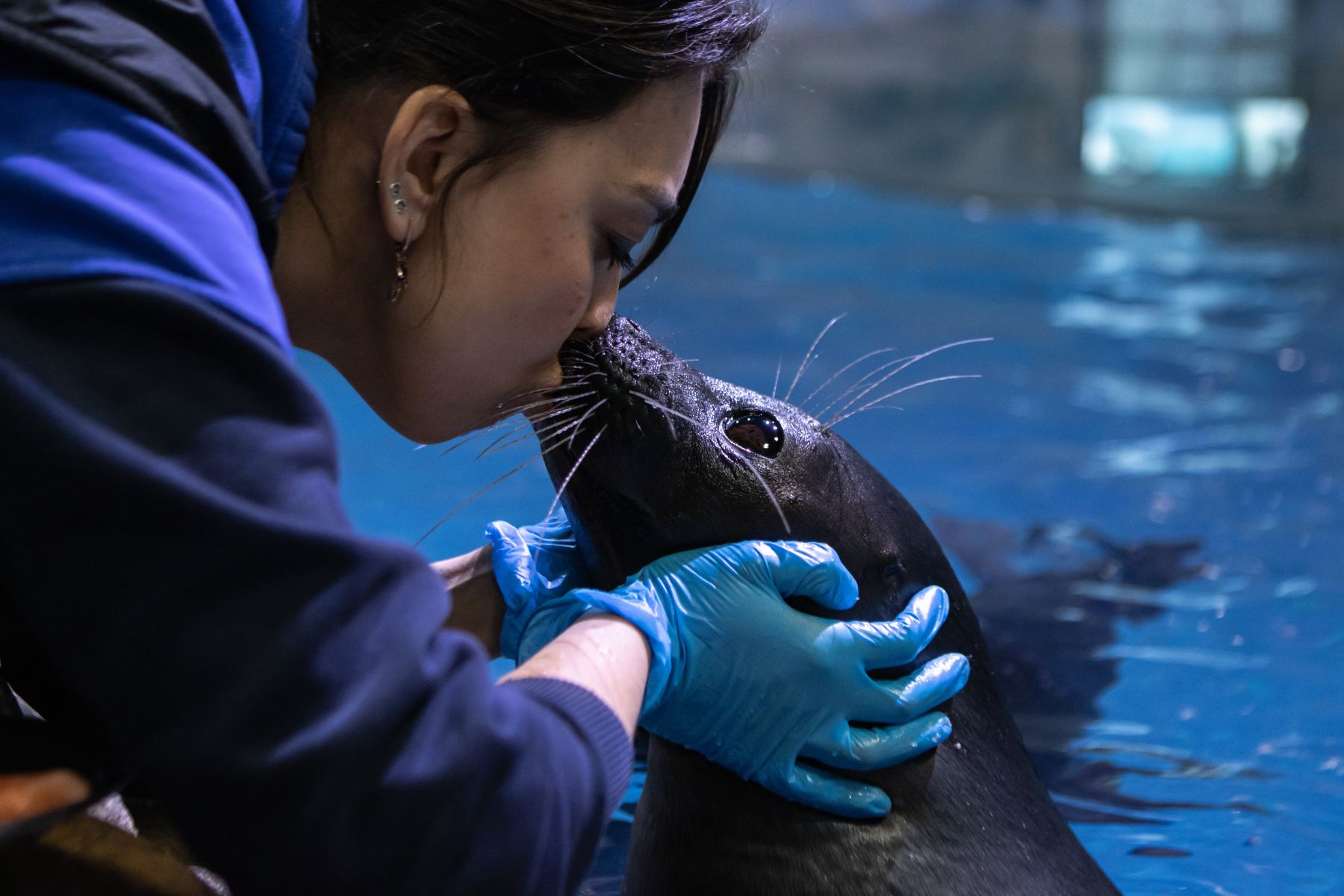
Trainers